Your Body Isn't Worn Out. It's Stuck in "On." And You've Been Mistaking It for Getting Older.
Here's why you're wide awake at 3am, running on empty by 3pm, and snapping at people you love — and how thousands of Australian women are fixing it naturally.

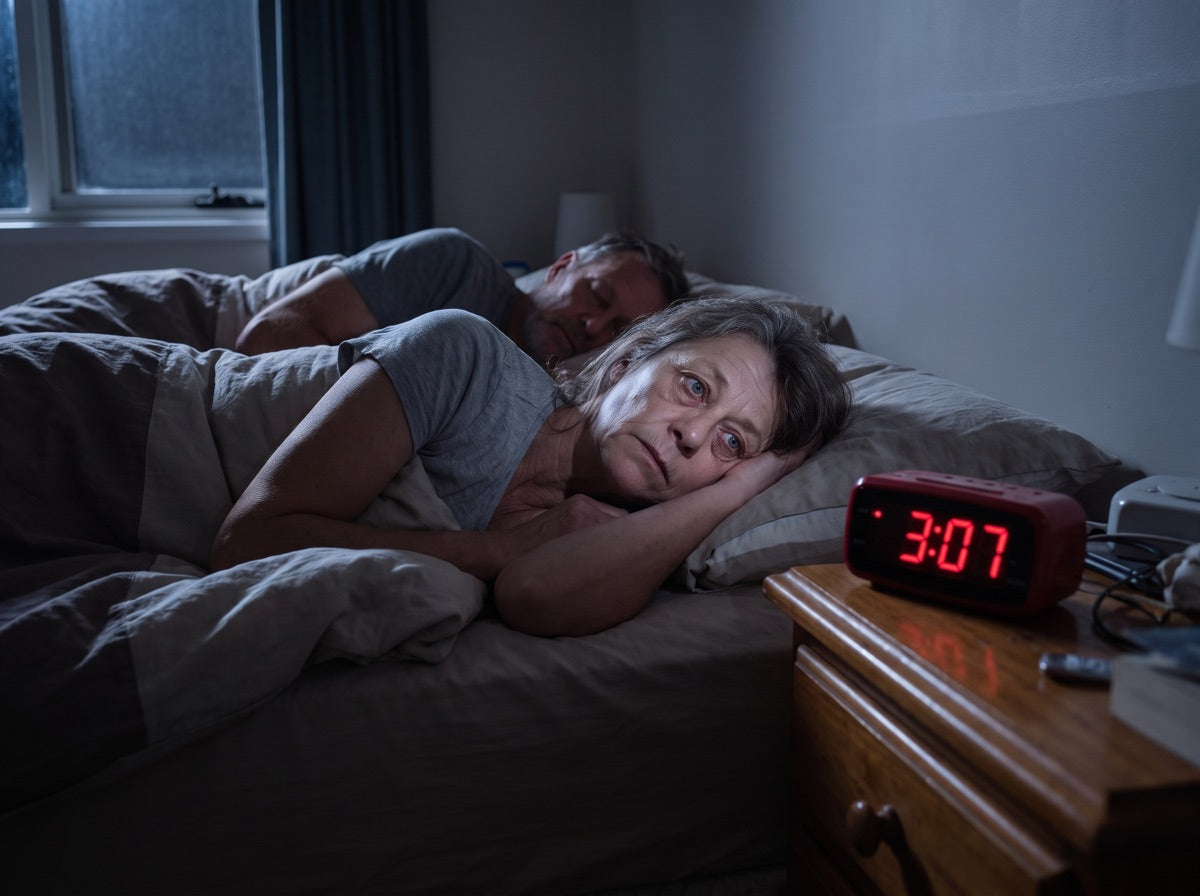
Every night for the past three years, Julie Harrington has woken at almost exactly the same time.
Not slowly. Instantly — like someone flicked a switch. Heart going. Mind already running.
And here's the strange part: nothing is wrong. The house is quiet. Her husband Gary is sound asleep beside her, snoring away without a care in the world.
So she lies there in the dark, doing what she calls "the maths."
"If I fall asleep right now, that's four hours. If it takes an hour, that's three…"
Then the other maths starts. The quote Gary's knee surgeon mentioned. Whether her daughter in Sydney is coping. How Mum's going to get to her appointment in town on Thursday now she can't drive.
"I'd never say I'm anxious," Julie says. "That's not a word we use. I'd just say I've been flat out. A bit tired lately."
Julie is 58. She lives ten minutes from one of the most beautiful beaches on the mid-north coast of NSW. She does the books for the family plumbing business, helps with the grandkids most weekends, and runs her 84-year-old mum to every appointment.
She moved to the coast for the lifestyle. And that's what makes it worse.
"I remember standing on the deck one morning, absolutely wrecked, looking at the water. And I thought — I live in paradise. So why do I feel like this?"
She'd reach for a word mid-sentence and it just… wouldn't be there. That scared her more than she let on.
She'd snap at Gary over nothing — a dropped spoon, a question she'd already answered — then lie awake at 3am hating herself for it.
"On the outside I looked fine. Everyone thought I was coping. I smiled at everyone all day at the school fete — then sat in the car afterwards and couldn't move."
She used to be the sharp one. The fun one. The one who organised everything.
"I didn't feel like me anymore."
And she's not the only one.
Do Any of These Sound Familiar?
- Falling asleep fine — then snapping awake at 3am, wide awake, mind racing, while the whole house sleeps
- Bone-tired all day, switched ON the second your head hits the pillow
- Reaching for a word and it's just… not there
- Snapping at the people you love over the smallest thing — then feeling terrible about it
- Energy that falls off a cliff mid-afternoon, no matter how you slept
- A mind that never stops doing the maths — money, family, everyone else's problems
- Waking up more tired than you went to bed — for months, or years
Three or more?
Most people treat these as separate problems. A sleep problem. A mood problem. A memory problem. "Just getting older."
What if they all trace back to one hormone that nobody's checked?
The Test Nobody Runs
Julie did what you're supposed to do. She went to the GP — when she could get in. In her town, that's a two-to-three-week wait for a standard appointment.
Blood work. Thyroid. Iron. Everything came back normal.
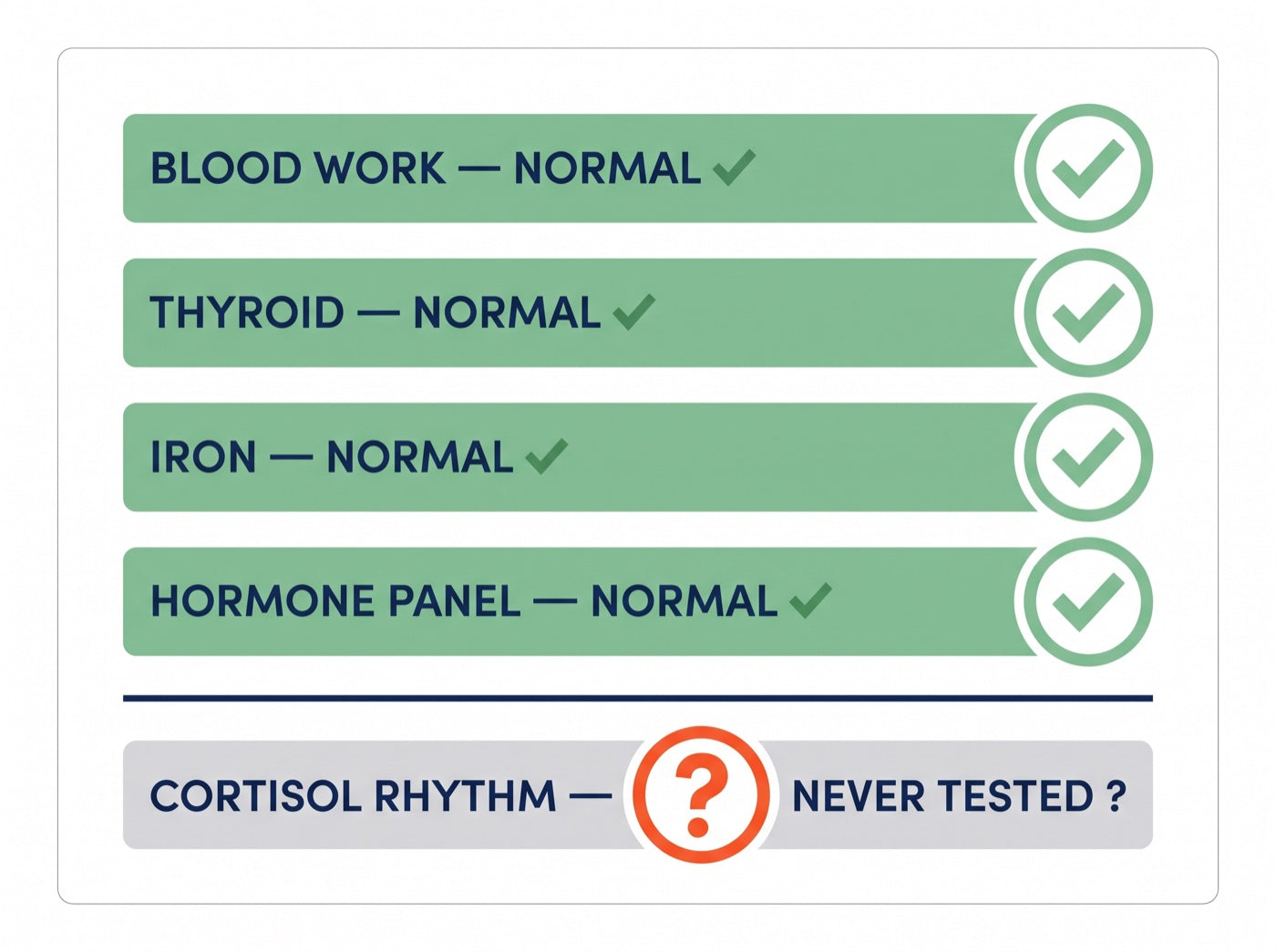
"They were lovely about it. But the answer was basically: you're 58, this is normal, try to stress less." She laughs. "Stress less. I'll just tell my mum to stop getting old, will I?"
One doctor offered her sleeping tablets. She took them for a while. "They worked, sort of. But the next day I'd feel like my head was full of wool. And I didn't want to be the woman who needs a pill to sleep." (She's not alone there either — older Australian women are prescribed sedatives at several times the rate of younger women.)

Here's the thing: her doctors weren't bad doctors. A standard consult runs about 15 minutes. There's no quick test for the thing that was actually happening to Julie.
Because what was happening wasn't a disease. It was a rhythm — running years out of whack.
What Your Cortisol Rhythm Actually Does
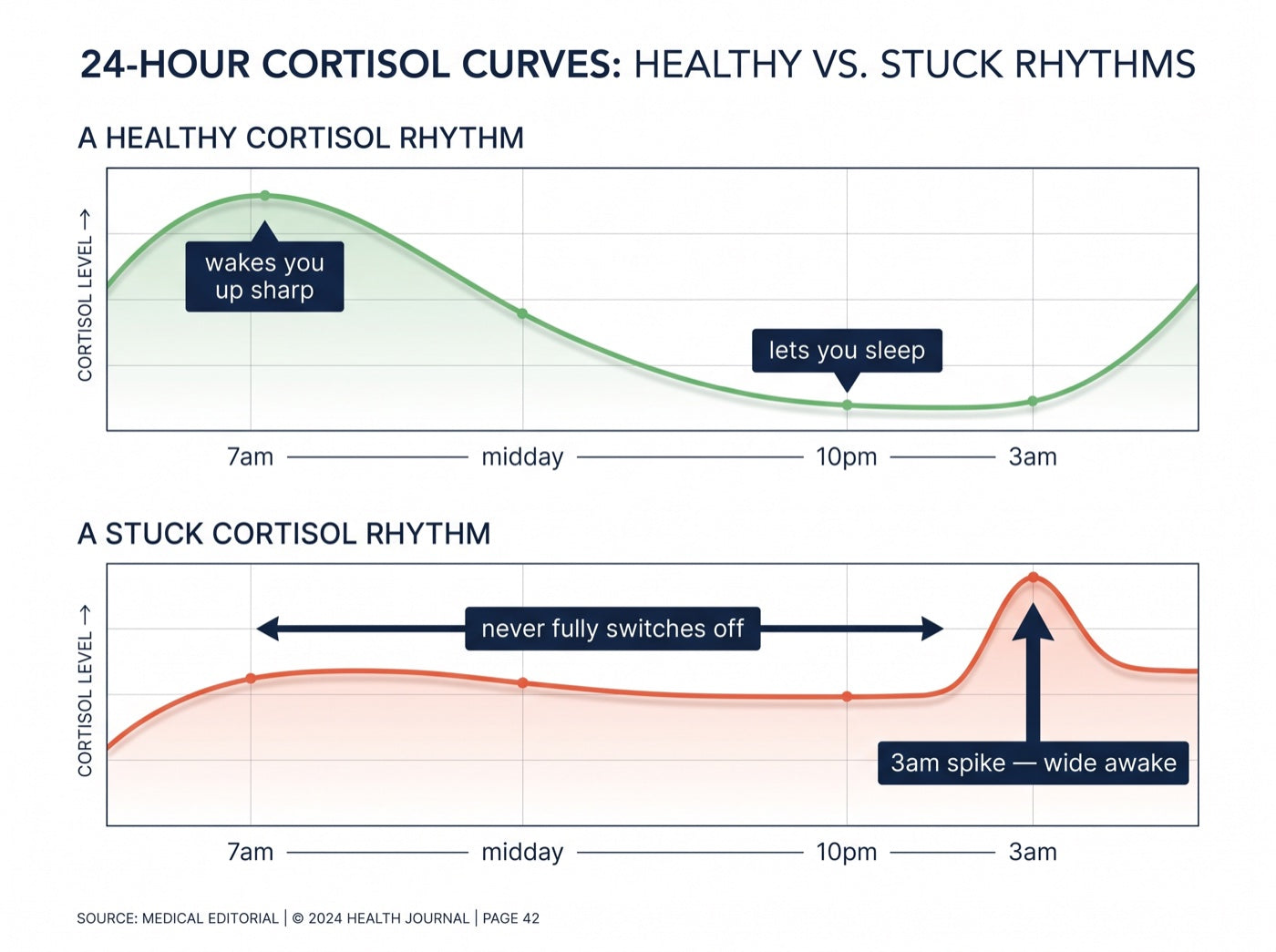
Think of cortisol as your body's built-in alarm system — and it's meant to run on a strict daily rhythm.
High in the morning. That's what wakes you up sharp and gets you moving.
Low at night. That's what lets your body wind down, switch off, and stay asleep.
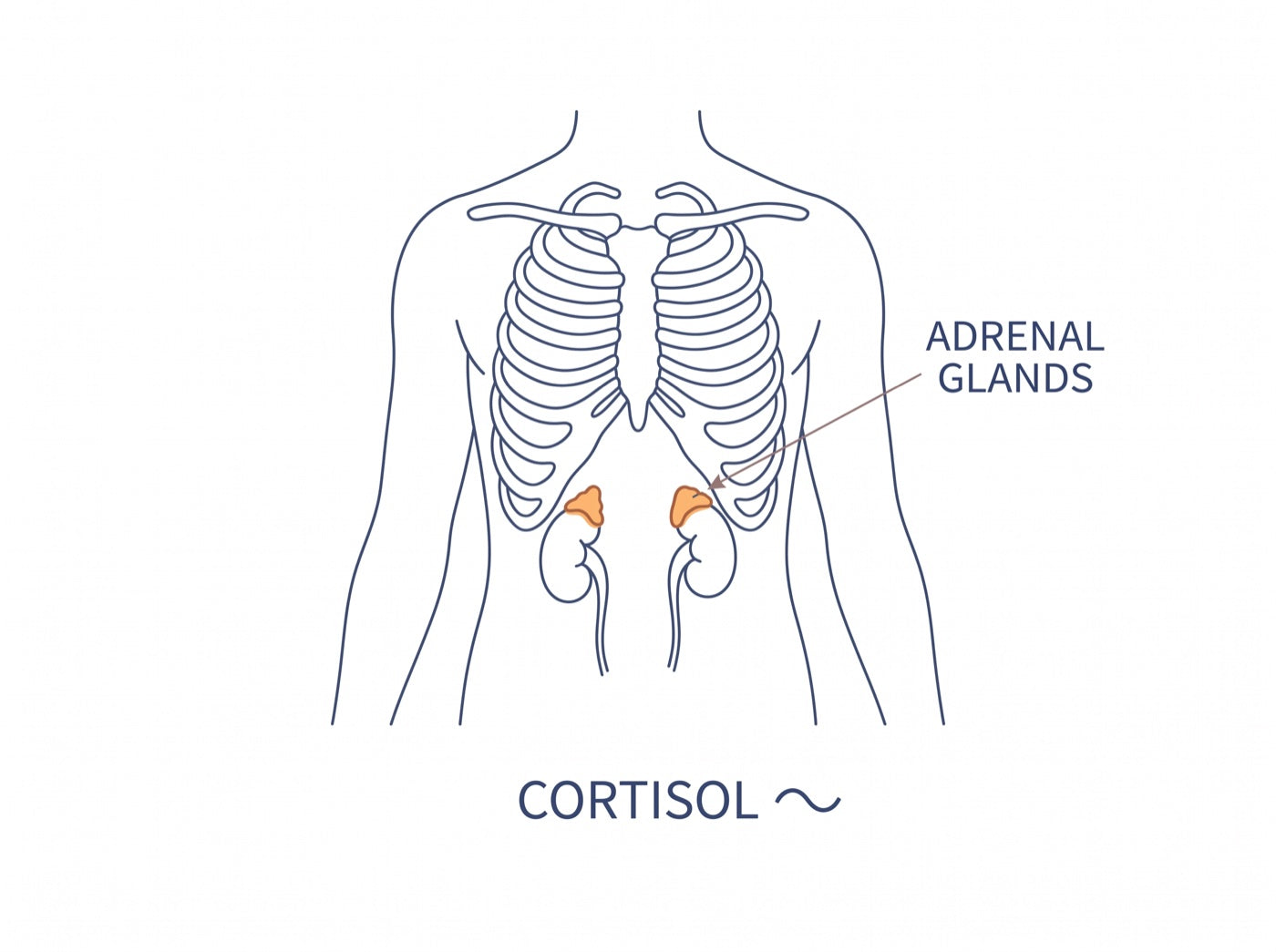
That rise-and-fall is what keeps your energy steady, your head clear, and your nights unbroken. When it's in rhythm, you feel like yourself.
But here's what almost nobody explains: that rhythm can get stuck.
Years of pressure — running the family, the business books, the worry about money and parents and adult kids — keeps the alarm switched partly ON. All day. All night. Your body never fully gets the message that the day is over.
And a stress system stuck in "on" does exactly two things you'll recognise:
It fires when it shouldn't — that's the 3am snap-awake, heart going, over nothing.
And it's flat when it should lift you — that's dragging yourself out of bed after eight hours, wrecked by mid-arvo.
"When I finally understood this," Julie says, "everything clicked. The 3am thing. The fog. The snapping. It wasn't seven different problems. It was one."
You're not broken. Your rhythm is.
What Happens If Nothing Changes
This doesn't tend to stay the same. It compounds.
The nights get shorter, so the fuse gets shorter. The fuse gets shorter, so the guilt gets heavier. The guilt gets heavier, so 3am gets louder.
The people around you start adjusting to it. Choosing their words. Waiting to see which version of you shows up. (Julie: "Gary never said anything. But I could see him being careful with me. That one hurt.")

You stop making plans, because you never know how much of you there'll be on the day.
And slowly — this is the part nobody warns you about — you start grieving yourself. The sharp one. The fun one. The one who could handle anything.
"I saw women in the Facebook groups who'd been like this for fifteen, twenty years," Julie says. "Writing at 3 in the morning: 'I've stopped counting the nights.' That frightened me. I didn't want that to be me at 75."
Why Nothing Worked
Julie's bedside drawer tells the story. You might have the same drawer.
Magnesium — three different kinds. Melatonin. The teas. The lavender spray. A sleep app that gave her a score out of 100 every morning. ("It'd tell me I slept terribly. I know, love. I was there.")
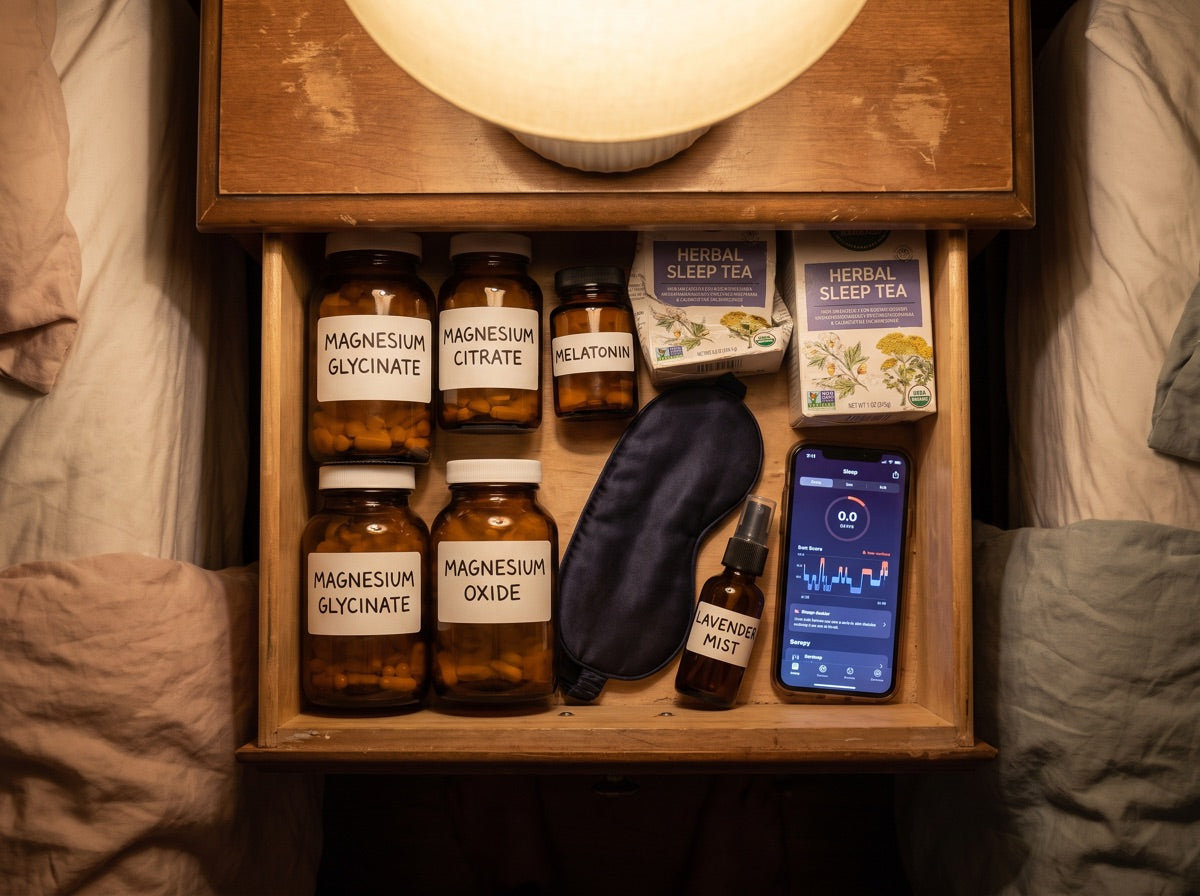
Some helped for a night or two. None of it held. And there's a reason.
Every one of those works on the surface — on sleep itself. A mineral to relax you. A hormone to make you drowsy. An app to measure the damage.
But none of them touch the thing upstream — the stress hormone that's stuck on high and firing at 3am.
As one woman put it in a comment that's been echoed thousands of times online: all the magnesium in the world can't switch off a stress response that's stuck on high.
It was never your willpower, your bedroom, or your discipline. You were treating the wrong thing.
It Started With Another Woman's Post
Julie was having one of those weeks. Three bad nights in a row, snapped at a grandkid, cried in the ute outside Woolies.
She was scrolling one of those women's health Facebook groups late at night — "as you do, at 3am" — when a post stopped her.
A woman about her age, from a town about the same size, describing her exact life. The 3am snap-awake. The maths. The wool-head days. The drawer full of magnesium.
But she wasn't talking about sleep at all. She was talking about her cortisol rhythm — and a sequence of natural ingredients that supported it at four different points:

One of the most studied herbs in the world for stress. Helps the body adapt to pressure and supports a healthy cortisol rhythm — working on the cause, not the symptom. Best for: that "stuck in ON" wired feeling.

The second of the two most-researched adaptogens. Traditionally used to support stamina and steadiness under long-running stress. Best for: running-on-empty days, the mid-arvo crash.

The mineral your nervous system runs on — the one your body burns through fastest under stress. Helps the body shift out of "fight or flight." Best for: tension, restlessness, the physical edge of stress.

L-theanine (from green tea) supports calm focus without drowsiness. Magnolia bark has been used for centuries to quiet an overactive stress response. Best for: the racing 3am mind that won't shut up.
"I didn't need to understand every ingredient," Julie says. "I just needed something that finally made sense. Nothing had ever explained the 3am thing before. This did."
The Formula Built Around the Rhythm
Why didn't this exist before? Because everything on the pharmacy shelf is built for sleep or built for stress — as if they're different problems. Almost nothing is built for the rhythm that connects them.
Then an Australian company did it.

- Supports a healthy cortisol rhythm — the cause, not the symptom
- Helps the body adapt to stress and settle at night
- Supports calm, steady focus through the day — not wired, not drowsy
- One capsule with brekkie, one with lunch. That's the whole routine.
It's called Neuravella Cortisol Reset® — 100% natural, Australian owned, ten active ingredients built around ashwagandha, rhodiola, magnesium and L-theanine.
No dropper rituals. No powders. No script, no waiting room, no three-week appointment queue. It arrives in the post — which, if you live where Julie lives, matters more than the city crowd will ever understand.
"Week one, honestly? Not much. I nearly wrote it off — I'd been burned before."
"Week two, I woke at 3 like always… rolled over… and went back to sleep. I lay there the next morning trying to remember the last time that happened."
"End of week three, I slept the whole night through. I didn't check the app. I didn't do the maths. I just woke up with the birds and felt — rested. I'd forgotten what that even was."
"But the bit that got me wasn't the sleep. A few weeks in, my daughter rang, and we talked for an hour, and I laughed — properly laughed. And she went quiet and said, 'Mum. You sound like yourself again.'"
"I got myself back. That's the only way I can put it."

— Julie · dramatised account based on customer experiences · individual results may vary
TRY CORTISOL RESET RISK-FREE FOR 90 NIGHTSBuy 2 Get 2 Free · Australian owned · 90-night money-back guaranteeWhat Other Women Are Saying
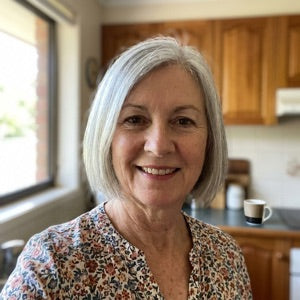
“First full night's sleep in years. My husband noticed before I said a word.”

“I'm not doing the 3am maths anymore. I just sleep.”

“The afternoon slump's gone. I've got something left for the grandkids after school.”

“I feel calm. Not flat, not drowsy — calm. There's a difference and I'd forgotten it.”

“I feel like me again. My daughter said it before I did.”
What to Expect
Subtle. Adaptogens build; this isn't a knockout pill. Some women notice the edge coming off the day first.
This is where it happens for most: fewer 3am wake-ups, rolling back over when you do wake, steadier afternoons, a longer fuse.
The rhythm settles in. Most women reorder here — not because they have to, but because they remember what the old normal felt like, and they're not going back.
Your Body Has Been Trying to Tell You Something
Another 3:07am, doing the maths in the dark.
Another day pretending you're fine at pickup, then sitting in the car with nothing left.
Another week of "I'm just tired, love."
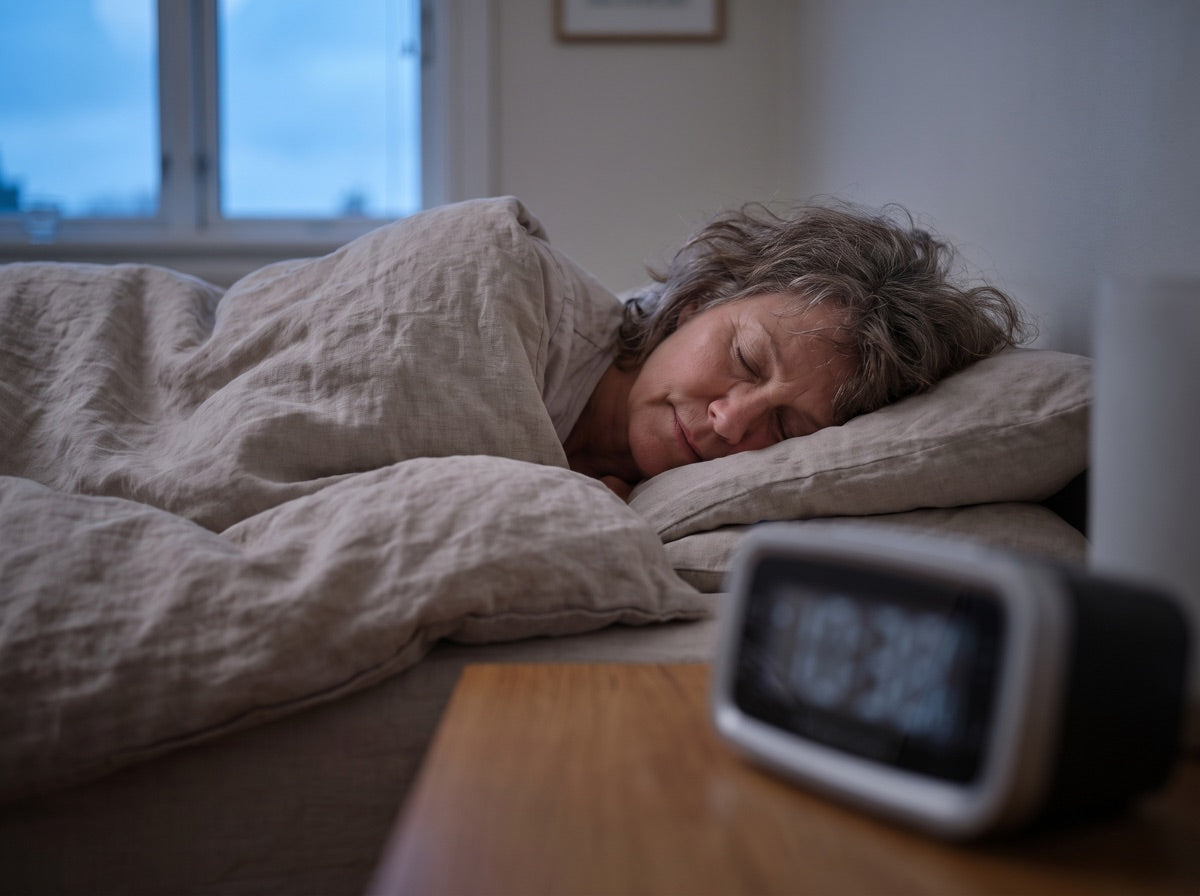
You wake up with the birds, rested. The word is there when you reach for it. The spoon drops and it's just a spoon. You're on the deck with your cuppa looking at the water — and for the first time in years, the view and the feeling actually match.
The Decision Julie Almost Didn't Make
"I added it up once — the magnesiums, the melatonin, the teas, the app subscription, the tablets. Over a thousand dollars, easily, and none of it lasted."
"This was about a dollar-something a day, with a 90-night money-back guarantee. Ninety nights — not thirty. They're basically saying: if it doesn't help, it's free. NOT trying it would've been the silly decision."
TRY CORTISOL RESET RISK-FREE FOR 90 NIGHTSBuy 2 Get 2 Free · Australian owned · 90-night money-back guaranteeA rhythm that took years to get stuck doesn't fix itself overnight. But it can be supported — gently, naturally, every day.
Thousands of Australian women have already made the choice. Julie was one of them.
And there's a difference."
Frequently Asked Questions
How fast will I notice something?
Adaptogens build with consistent daily use. Many women notice the edge coming off in week one; the sleep changes most commonly show up in weeks 2–4, with full benefits over 60–90 days. That's why the guarantee is 90 nights, not 30.
How is this different from magnesium or melatonin?
Those work on sleep itself. Cortisol Reset supports the stress rhythm upstream — the reason you're snapping awake in the first place. (Magnesium's in the formula too — as one player in a team, not the whole team.)
Will it make me groggy like sleeping tablets?
No. It's not a sedative and it's non-habit-forming. It supports calm — not drowsiness. Nothing to "wear off" in the morning.
What's in it?
Ten active ingredients, 100% natural, built around ashwagandha, rhodiola, magnesium and L-theanine, with magnolia bark. Australian owned. No script needed.
How do I take it?
One capsule with brekkie, one with lunch. That's it.
What if it doesn't work for me?
90-night money-back guarantee. Full refund, no questions, no forms designed to make you give up. We recommend consulting your doctor before starting any supplement, especially if you take medications.
1. AIHW — Rural & remote health: higher rates of chronic conditions outside major cities.
2. Sleep Health Foundation — approximately 4 in 10 Australian adults regularly get inadequate sleep.
3. Chandrasekhar K. et al. (2012), Indian J Psychol Med — ashwagandha RCT in stressed adults.
4. Langade D. et al. (2019), Cureus — ashwagandha and sleep quality RCT.
5. Vgontzas A. et al. (2001), JCEM — chronic insomnia and HPA-axis activity.
6. Olsson E. et al. (2009), Planta Med — rhodiola in stress-related fatigue.
7. Nobre A. et al. (2008) — L-theanine and relaxation.
8. Traditional-use reviews of magnolia bark (honokiol).
Studies referenced were conducted on individual ingredients, not the finished formula.
*Results may vary. The story above is a dramatised account based on customer experiences. Always read the label and follow directions for use. If symptoms persist, worsen, or change unexpectedly, talk to your health professional. This supplement is not intended to diagnose, treat, cure or prevent any disease.
THIS IS AN ADVERTORIAL AND NOT AN ACTUAL NEWS ARTICLE, BLOG, OR CONSUMER PROTECTION UPDATE. © 2026 neuravella. All rights reserved.